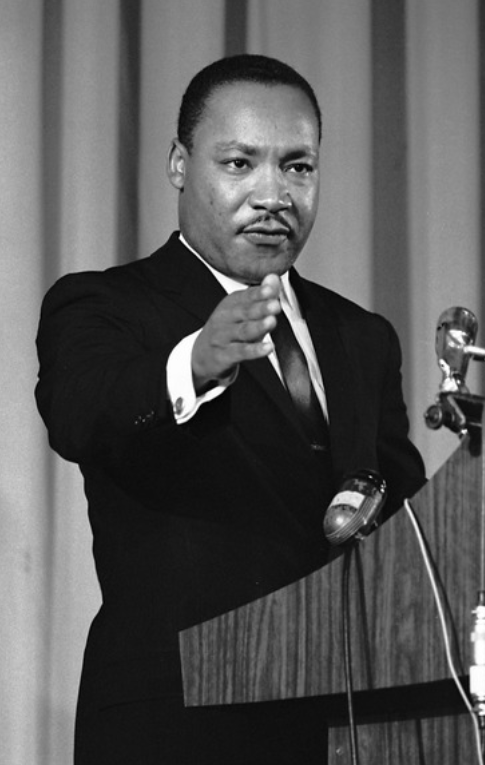
Why I Will Not Celebrate MLK Day in Lancaster
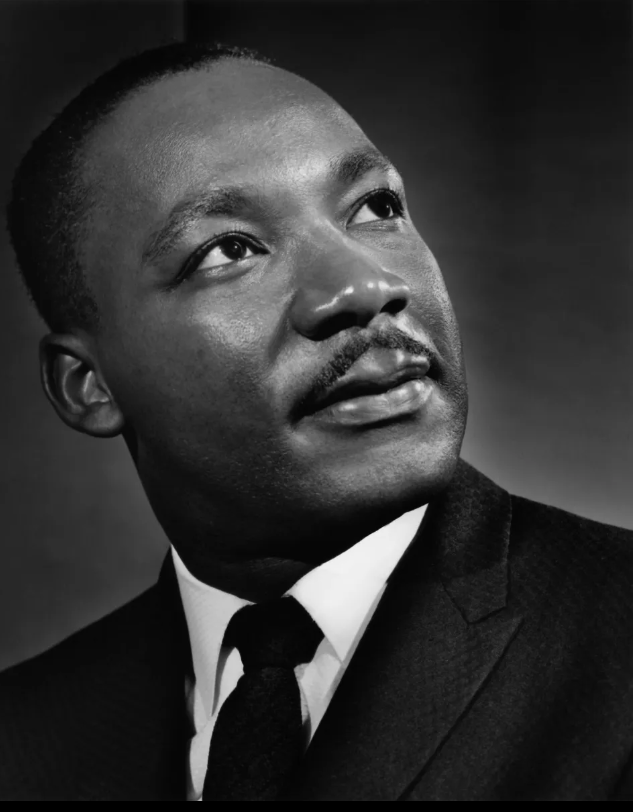
Dr. Martin Luther King JR.
Tomorrow is January 15th.
My birthday.
And the birthday of Martin Luther King Jr, born in 1929.
On Monday, January 19, 2026, Lancaster County will do what it does best when it comes to Black people: pause briefly, pose politely, and move on unchanged.
There will be prayer breakfasts.
Photo ops.
Proclamations.
Committees shaking hands with one another.
Churches reading excerpts.
Nonprofits posting quotes.
And then—nothing.
No feeding the hungry.
No housing the unhoused.
No clothing for the unclothed.
No material changes for Black people who live here every single day.
By Tuesday, the Black community will once again be an afterthought—until February rolls around, and then again until Juneteenth. Ritual recognition without responsibility. Symbolism without sacrifice.
That is why I will not celebrate MLK Day in Lancaster.
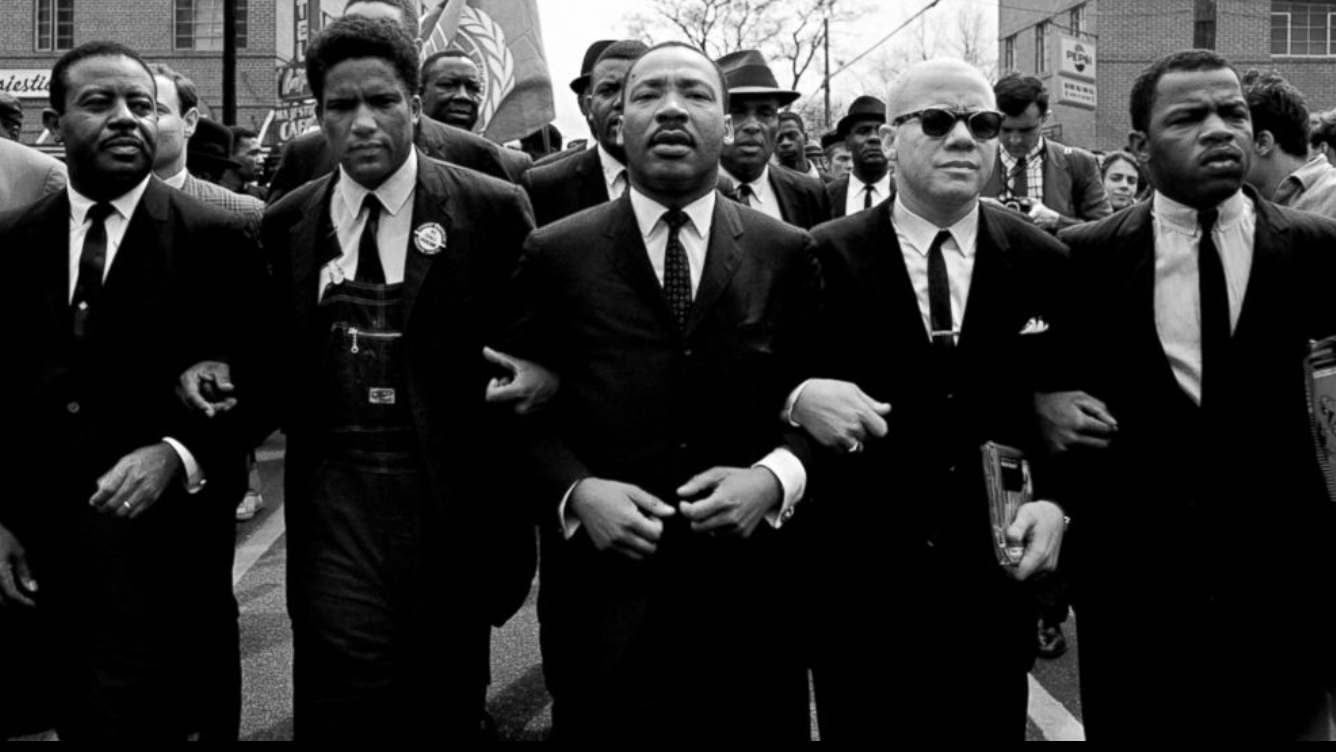
The Convenient Memory of Dr. King
America loves Dr. King now—safe, silent, and selectively remembered. But while he was alive, he was deeply unpopular. Hated. Monitored. Attacked. Dismissed as “too radical.” Sound familiar?
There was no coalition powerful enough to co-opt his work while he was living. So, they waited until he was gone—and then softened him.
They stripped away his critique of capitalism.
They buried his opposition to militarism.
They erased his warnings about white moderates and so-called allies.
What remains is a Disney-fied King: a dream without demands, a speech without consequences.
But Dr. King himself warned us about this moment.
In Why We Can’t Wait, he wrote plainly that delay is not neutral—it is violence by another name. Waiting is the tool of those comfortable with injustice. And I am done waiting for Lancaster.
Lancaster’s Moral Failure
Let’s be clear: Lancaster County, the entire community, allows Black suffering as policy, not accidents. The government, the non-profits, the churches, and business stakeholders are all complicit in:
Mass incarceration that devastates Black families and communities
Voter disengagement born of deliberate neglect and suppression
Unemployment and underemployment masked by county-wide averages
Wealth inequality so stark it would be indefensible if honestly confronted
Homelessness that Black residents experience at disproportionate rates
And yet, every January, the same people who uphold—or quietly tolerate—these conditions will invoke Dr. King’s name without ever invoking his courage.
Progressives here grow uncomfortable when Black people demand power instead of permission. Conservatives bristle when we name injustice out loud. Both sides prefer us grateful, patient, and quiet.
Dr. King faced the same hostility—from polite liberals and open segregationists alike.
I Am Done With Performative Hope
What makes this week especially painful is the flood of hollow optimism that will follow.
There will be speeches about unity from people unwilling to share power.
Messages of hope from institutions invested in the status quo.
Celebrations of progress that Black residents cannot feel in their daily lives.
Because hope without action is cruelty.
And remembrance without transformation is disrespect.
Dr. King did not die so we could gather once a year and feel good about ourselves. He lived—and was murdered—because he refused to accept symbolic progress in place of justice.
From Reflection to Action
So here is my refusal:
I refuse to clap while nothing changes.
I refuse to smile for photos while Black suffering continues.
I refuse to be grateful for acknowledgment without accountability.
Lancaster does not need another ceremony.
It needs courage.
It needs people willing to risk comfort, funding, and reputation to stand with Black residents when cameras are gone.
This is not a hopeful post.
It is a grieving one.
An urgent one.
A necessary one.
If Lancaster truly wants to honor Dr. King, it will stop celebrating his memory and start practicing his politics.
Until then, I will not celebrate.